
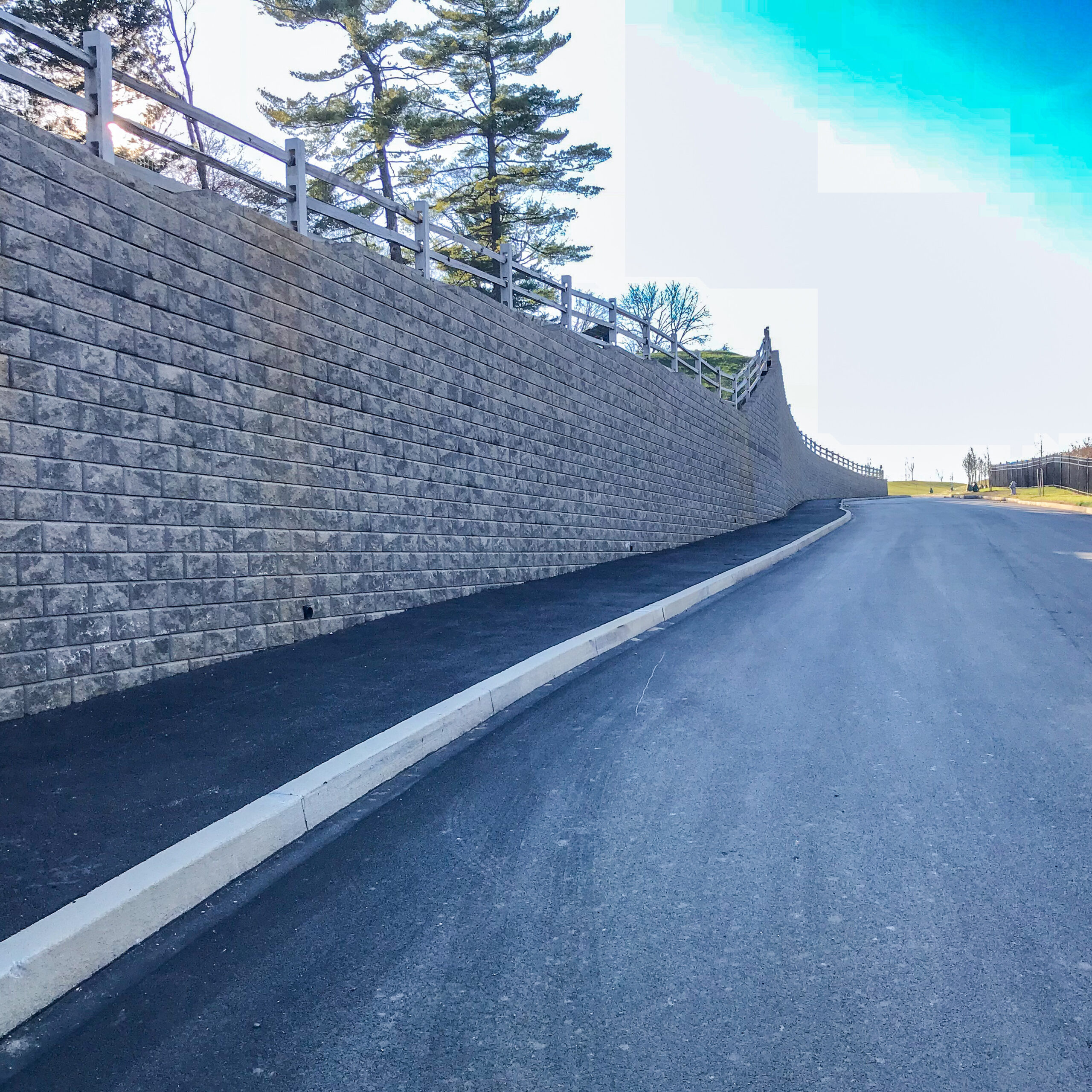
Helping Communities Protect Their Infrastructure Investment
When most people think about engineering, they think about new construction. New homes, new roads, new amenities, and new development projects. But some of the most important engineering work happens long after construction is complete.
At Ingram Engineering Services, we maintain ongoing relationships with homeowners associations, property management companies, community developers, and private property owners to help protect the infrastructure and amenities that residents rely on every day.
From retaining walls and stormwater systems to roads, tennis courts, clubhouses, pools, and underdrain systems, these assets require periodic evaluation and maintenance to continue performing as intended.
The goal is simple: identify problems early, develop practical solutions, and help communities avoid costly repairs whenever possible.
Engineering Oversight Beyond a Single Project
Many communities view engineering services as something that is only needed when a problem occurs. In reality, some of the most successful infrastructure management programs are built around ongoing monitoring and preventative maintenance.
Ingram Engineering is frequently retained by homeowners associations and property management companies as their trusted engineering consultant, providing annual and biannual evaluations of community infrastructure systems. These recurring assessments help establish a baseline of existing conditions while identifying changes that may indicate developing concerns.
By monitoring infrastructure over time, communities gain valuable insight into how retaining walls, drainage systems, roadways, recreational facilities, and other common assets are performing. This proactive approach often allows repairs to be planned and budgeted before conditions deteriorate into emergency situations.
The Process Often Starts With a Homeowner
Many infrastructure concerns begin with a resident noticing something that does not look quite right.
It may be a retaining wall that appears to be leaning. It could be standing water that remains after a storm. Residents may notice pavement settlement, cracking around a pool deck, erosion near a stormwater facility, or drainage issues impacting their property.
Typically, the concern is reported to the homeowners association, which then works through its property management company to investigate the issue further.
This is where Ingram Engineering often becomes involved.
Our team works directly with property managers and community leadership to evaluate reported concerns, document existing conditions, identify potential causes, and provide professional recommendations for next steps.
In communities where we already perform annual or biannual inspections, we can often compare current conditions to previous observations, helping determine whether an issue is new, worsening, or simply part of a condition that requires continued monitoring.
A Practical Approach to Community Infrastructure
No two communities are exactly alike, and neither are their infrastructure challenges.
Our engineers routinely evaluate and provide recommendations for:
- Retaining walls
- Storm sewer systems
- Underdrain systems
- Roadways and pavement infrastructure
- Community swimming pools
- Tennis and pickleball courts
- Clubhouses and community facilities
- Drainage and erosion concerns
- Settlement-related issues
- Aging infrastructure components
In many cases, early investigation can uncover issues before they become major failures.
A small drainage problem today may eventually undermine a retaining wall. Minor pavement settlement can become a costly roadway repair if left unaddressed. Catching these concerns early often provides communities with more repair options, lower overall costs, and less disruption to residents.
Documentation Matters
One of the most valuable services engineering consultants provide is objective documentation.
When a concern is reported, property managers and HOA boards need clear information to make informed decisions. They need to understand what is happening, why it is happening, the potential risks, and what options exist for remediation.
Ingram Engineering conducts site evaluations and prepares documentation that helps community leaders understand both the immediate concern and the long-term implications.
For communities participating in ongoing monitoring programs, this documentation creates a historical record of infrastructure performance. Over time, these records can become invaluable for capital reserve planning, maintenance scheduling, budgeting discussions, contractor coordination, insurance matters, and communication with residents.
Developing a Path Forward
Finding the cause of a problem is only the first step.
Our role is also to help develop a practical remediation strategy that aligns with the needs and budget of the community.
Depending on the situation, that may involve:
- Monitoring conditions over time
- Developing repair recommendations
- Prioritizing repairs based on risk and budget
- Coordinating with contractors
- Preparing engineering plans and specifications
- Assisting with permitting requirements
- Providing construction observation and quality assurance services
The objective is always to provide solutions that address the root cause of the problem while maximizing the lifespan of the community’s infrastructure investment.
Protecting Community Assets for the Future
Neighborhood infrastructure represents a significant investment for homeowners and community associations. Roads, drainage systems, retaining walls, recreational facilities, and common areas all contribute to property values, community appeal, and quality of life.
Maintaining these systems requires more than reacting when something fails. It requires proactive evaluation, long-term planning, and professional guidance from experienced engineering professionals.
At Ingram Engineering Services, we work alongside property management companies, HOA boards, developers, and private property owners to help communities identify concerns early, monitor infrastructure performance over time, develop practical solutions, and protect the assets that keep their neighborhoods functioning for years to come.
Because preserving community infrastructure today often prevents much larger and more expensive problems tomorrow.